




Read More
Guide
Van Speed Limits UK - Rules, Speed Cameras & Safety Tips
Learn the UK speed limits for vans, including dual carriageways and motorways. Find out about speed cameras, penalties, and tips for safe driving.
Mon to Fri: – | Sat: –

Electric vans are becoming an increasingly common sight on UK roads. Once seen as niche vehicles for specialist fleets, they are now offered by most major manufacturers and used by businesses of all sizes.
A combination of factors is driving this shift. Fuel costs remain unpredictable, clean air zones are expanding across major cities, and businesses are under growing pressure to reduce emissions.
But does that mean now is the right time for your business to make the switch?
We explore the pros and cons of leasing an electric van, the models currently available, and whether going electric makes sense for your business in 2026.
Several factors are pushing businesses to consider electric vans sooner rather than later
Cities across the UK have introduced Ultra Low Emission Zones (ULEZ) and Clean Air Zones designed to reduce pollution. Older diesel vans can face daily charges when entering these areas. Electric vans are fully compliant with these zones, which can make them attractive for businesses operating in cities.

Diesel prices have fluctuated significantly in recent years. While electricity prices also vary, charging an electric van is often cheaper per mile than refuelling with diesel, particularly if you can charge overnight.

The UK government plans to phase out the sale of new petrol and diesel vehicles by 2035. For 2026, manufacturers are required to sell 24% of their vans with electric power, or face fines, and that target rises to 34% in 2027. While diesel vans are still widely available today, manufacturers are beginning to plan for an electric future and are pushing hard to ensure they meet their targets.
Environmental commitments are becoming more important for many organisations. Some companies now require suppliers or contractors to demonstrate sustainability efforts. Switching to an electric van can help businesses strengthen their environmental credentials.
Electric vans offer several possible advantages, particularly when paired with a leasing agreement. Let’s break down at least some of the good points:
Electric vehicles are generally cheaper to run per mile than diesel vans. Charging costs vary depending on electricity prices and charging location, but off-peak charging at home could see your van covering 100 miles for less than £2.50 — a significant saving over the cost of diesel. Find out more about EV charging in our electric car charging cost guide.
It’s a myth that electric vehicles don’t need servicing, but EVs do have fewer moving parts than internal combustion engines. This means there’ll be fewer maintenance requirements, with no oil to change and fewer mechanical components to service, which should result in lower servicing costs.
Electric vans can offer tax benefits for both businesses and company drivers, including lower Benefit-in-Kind rates, a fixed rate of vehicle tax, and potential VAT advantages contingent on lease structures. These incentives can help offset any higher purchase or lease cost.
Companies buying a new electric van can usually offset the full cost against taxable profits upfront, although any resale value is taxable later. Those not eligible for full expensing — including leasing companies, sole traders and partnerships — may be able to claim 40% upfront, then 18% a year on the remaining balance.
Operating an electric van produces zero local emissions, which can improve a company’s environmental footprint and public image. And while every vehicle makes an environmental impact to manufacture, electric vans produce zero local emissions and can help reduce a business’s overall emissions.
The UK government currently offers the Plug-in Van Grant, which helps reduce the upfront cost of eligible electric vans. For a compact van, that’s worth as much as £2,500, while larger vans can get grants worth double that. Check out our guide to EV Grants and Incentives to find out more.
While electric vans have clear advantages, there are still challenges to consider:
Electric vans often have higher list prices than diesel equivalents — sometimes considerably so —and resale values tend to be lower, which can result in higher monthly lease payments.
However, these costs may be balanced by lower running expenses over time.
Although electric van range has improved significantly, most models still offer less range than a full tank of diesel. That can drop further once a van is fully loaded, towing, hitting the motorway or operating in freezing temperatures, by up to 50% in extreme circumstances.
For businesses covering long distances each day, this can create range anxiety. Mileage a concern? Check out our guide to van leasing for high-milers to find the right van for you.
Refuelling a diesel van takes minutes, while charging an electric van can take longer, depending on the charging method.
That can be mitigated by charging overnight, but sometimes you’ll need to charge while out on the road. Rapid chargers can significantly reduce charging times, but at a high cost. Planning ahead is required.
Want to know if an at-home charger could be your solution? You can find everything you need to know in our guide to picking your ideal EV charger.
Load volumes tend to remain the same between diesel and electrically powered vans, but maximum payload weights are usually lower. A battery pack can weigh many hundreds of kilos, which eats into the available payload.
Older vans that manufacturers have converted to electric power tend to suffer more from this, while newer vans designed to be EVs from day one are usually more competitive, with the latest models all but matching their diesel counterparts.
The UK’s charging network has expanded rapidly in recent years.
There are almost 50,000 charging locations across the country, with around 120,000 individual chargers, and new installations popping up at record speed.
The fastest chargers can top up a suitable vehicle at up to 350kW, although the fastest charging vans top out at around 200kW. Still, that means 100 miles of range can be added in around 10 minutes, admittedly with the right van in the right conditions.
For many businesses, the most convenient option is home or workplace charging, allowing vans to charge overnight and start each day with a full battery. Smart chargers allow the costs of home charging to be picked up by the business, while government grants are available to help with installing depot chargers.
There are also tools and apps that help drivers locate nearby chargers and plan routes, like Zapmap, which provides charging network maps and route planners.
For businesses working mainly within cities or defined local areas, charging infrastructure is becoming increasingly practical. Combined with improving vehicle range, that makes electric vans a much more practical option than they were just a few years ago.
Concerned about EV charging on the go? Check out our guide to home vs public charging for more information.
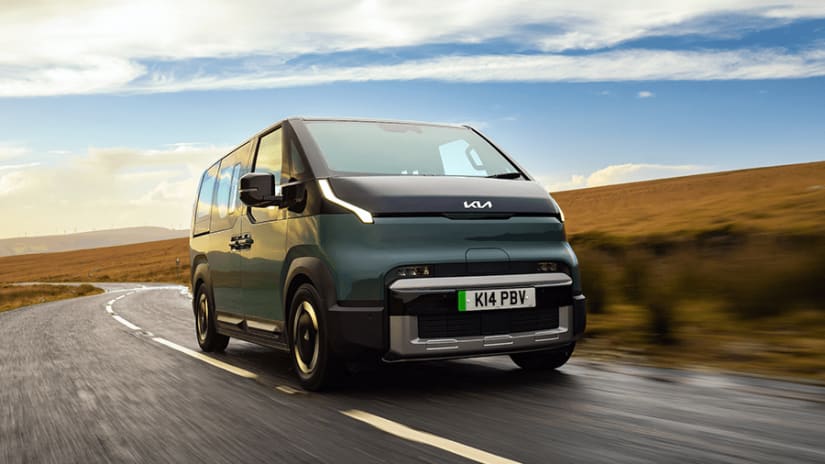
Kia has entered the van market and made quite an impact. The PV5 is its first attempt, and has picked up several major industry awards, including the International Van of the Year title. It’s spacious, modern, good to drive, and efficient. Perhaps most impressively, it’s priced on a par with its diesel-powered rivals.
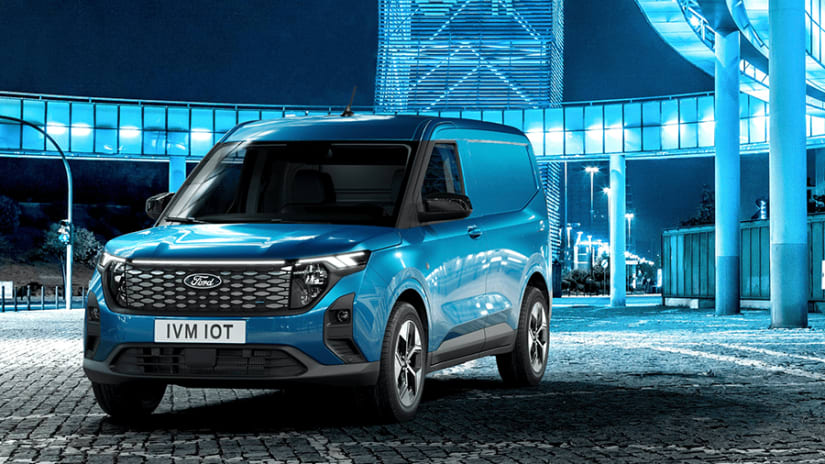
The smallest member of the Ford Transit family, the E-Transit Courier is built around the same chassis as the Ford Puma, so it’s great to drive. It’s a van for the city with excellent access, great visibility, and a large cargo area for rapid urban deliveries.
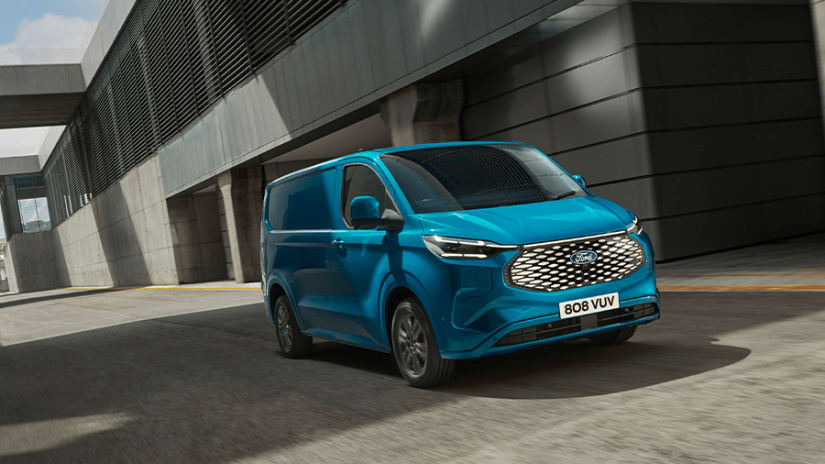
The most popular van in the country has an electric version, and it’s built with very few compromises. Cargo volumes are as large as those of the regular van, and payload limits reach a tonne. With a modern interior and clever usability touches, there’s a reason it’s number one.
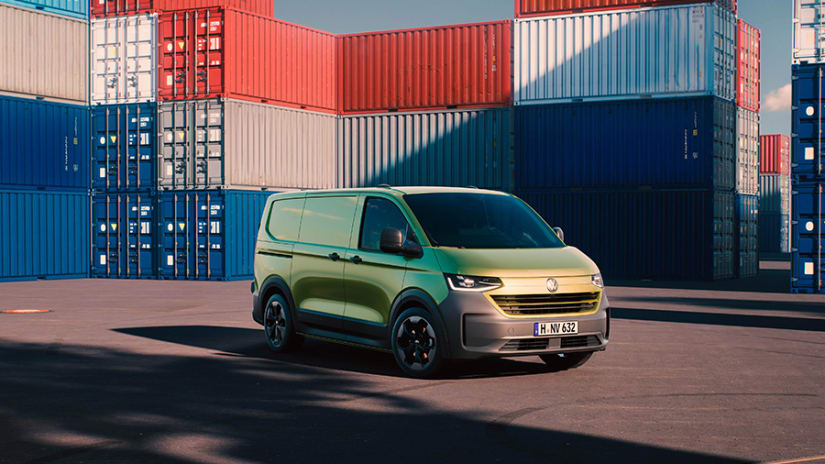
Based on the E-Transit Custom, Volkswagen adds a few touches of its own, like subtle trim differences that leave it feeling a little classier without affecting its working abilities. For those who keep hold of their van a little longer, a five-year warranty will also appeal.
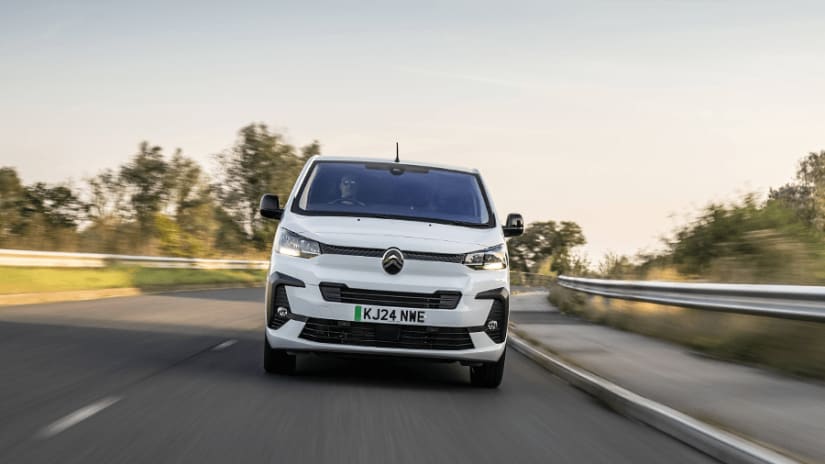
The quadruplets from Stellantis are all mechanically identical, with just minor trim differences separating them. That means they all get strong payload limits, competitive cargo volumes, and price tags that can offer excellent value for money.
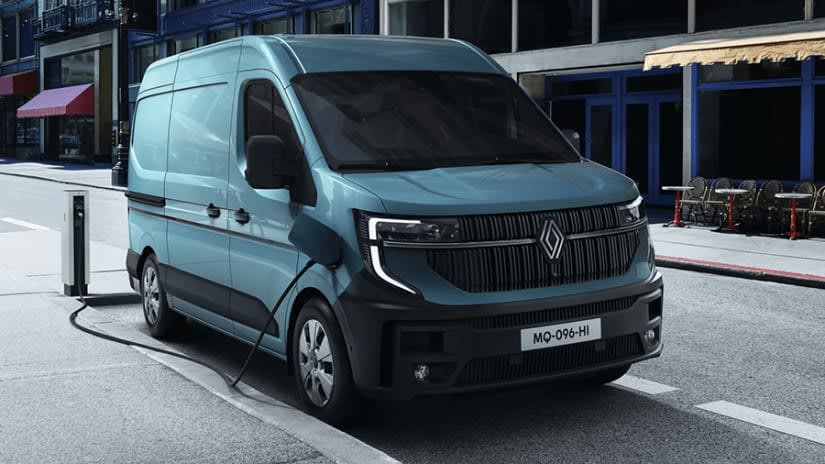
At its largest, the Master will take 17m3 of cargo in the back, well over a tonne of payload, and promises an electric range of up to 285 miles. It does all of that in a modern van with a comfortable cab and tops it off with a super-competitive price tag. It’s no surprise that, when launched, it won the International Van of the Year title.
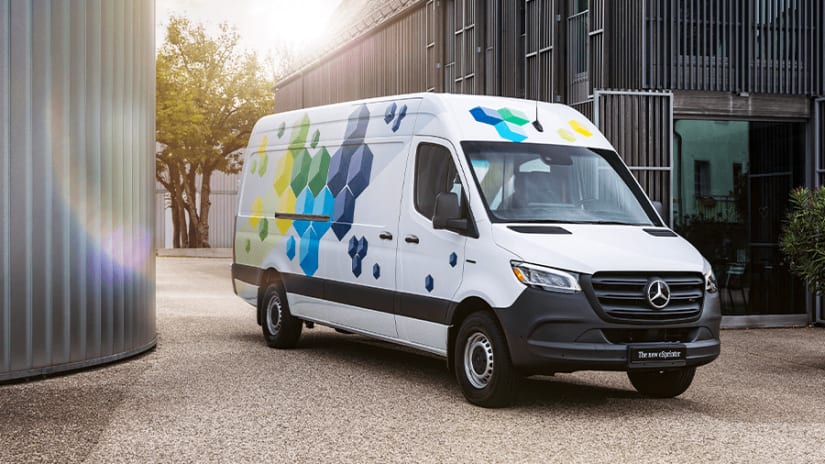
The eSprinter combines the practicality of the traditional Sprinter with electric power, making it a strong option for businesses looking for a premium large van. It’s a big, bold van that presents a premium image for your business.
Whether now is the right time to switch depends on how your business operates.
Leasing can provide a useful middle ground. Instead of committing to electric ownership long-term, leasing allows businesses to test electric vans for a few years and upgrade later as technology evolves.
Electric vans are becoming an increasingly practical option for many businesses. Lower running costs, tax incentives and access to clean air zones all make them appealing choices for trades and fleets alike.
While they may not yet suit every business, leasing an electric van can be a smart way to explore the technology without committing long term.
As battery range improves and charging infrastructure expands, electric vans are likely to become an even more common part of the commercial vehicle landscape.
If you're thinking about leasing a van or pick-up, we have a collection of informative guides on all aspects of vans and commercial vehicles to make the process as simple as possible.
Learn the UK speed limits for vans, including dual carriageways and motorways. Find out about speed cameras, penalties, and tips for safe driving.
If you’re a tradesperson covering long distances for work, clocking up tens of thousands of miles every year is simply part of the job. But how does this affect your options if you want to lease instead of buy?

If it’s time to get a new van, then we can say with all certainty that there really is a van out there designed specifically for you. Our must-read guide will ensure you get completely clued-up about your options so that you make exactly the right choice.

Rated 4.9 out of 5 - 50,418 reviews

Leasing all leading makes and models

Industry leading competitive rates


I’ve been using Select Car Leasing for many many years and the service is consistently excellent. Nothing is ever too much trouble for my leasing consultant David, he’s always on hand to sort everything. The whole process from start to finish is made very easy. Professional service as always! Thank you David.
Very helpfull, knowledgable advisor Lewis. Couldn't do any more to try and find the car that best suited our budget. This is my second lease vehicle through select and the whole procedure has been seamless. Returning my old lease to getting my new lease.
Great service and kept me informed along the way





















 Air Conditioning
 Android Auto
 Auto Lights


 Rear Parking Sensors


 Heated Seats
 Heated Steering Wheel
