Car Insurance Groups List – All You Need to Know
4.9 out of 5 46,499 reviews

Mon to Fri: | Sat:

Car Insurance Groups List – All You Need to Know

Many people think car insurance is calculated solely on how ‘safe’ a driver you are – based on how many years you’ve been driving and if you’ve previously had accidents.

And while it’s true that insurers take these into account when deciding premiums, they’ll also consider your car’s insurance group.

In this guide, Select Car Leasing explains what car insurance groups are and how they can affect your premiums.

UK's most trusted car leasing company

Rated 4.9 out of 5 - 46,499 reviews

The UK's largest leasing company

Leasing all leading makes and models

Affordable car lease deals

Industry leading competitive rates

What Are Car Insurance Groups?

Insurance groups rank cars by how much they cost to insure.

They’re based on factors that influence the risk to the insurer, such as the car’s value and potential repair costs and any built-in safety features.

Groups range from 1 to 50 — with Group 1 being the cheapest cars to insure and Group 50 being the most expensive.

Insurers use these groups — alongside how they perceive you as a driver — to inform the cost of your insurance premiums.


What do the letters mean in car insurance groups? 

The letters in car insurance groups refer to the number of security features the vehicle has and how theft-resistant it is deemed. 

The definitions for each letter are:

E – The car has surpassed all security requirements and, as a result, has been assigned to a lower insurance group, making it more affordable to insure.

A – The car fully meets all security requirements.

D – The car meets some, but not all, security requirements. Consequently, it has been placed in a higher insurance group.

P – Security data for this car is provisional. This is usually because security system checks were incomplete when the car was launched, a situation commonly seen with older vehicles.

U – The car currently does not meet acceptable security standards. Insurers may still offer coverage but may require additional security features to comply with regulations.

G – The car is an import, and no security data is available.


What Influences Car Insurance Groups?

Many factors impact your car’s insurance group. But most UK insurers assess cars according to the Vehicle Risk Rating methodology. 

This includes, among other features:

Repair cost and time

The more expensive the car is to repair, the higher the insurance group and the more costly the premiums. Considerations like the cost of parts and potential labour charges can also affect the cost of your insurance.

Vehicle performance, engine size and top speed

High-performance vehicles with plenty of horsepower and higher top speeds may attract more risky driving behaviours as well as being a target for thieves. This means they typically fall into higher insurance groups.

Car price

It goes without saying that the more expensive the car, the higher the premiums – as their parts cost more to repair or replace.

Theft risk

If you have a car considered “desirable to thieves”, you’ll likely have to pay higher premiums and the vehicle will be placed in a higher insurance group.

Vehicle size and weight

The size and weight of your car are also considered a risk factor for insurance companies, as repairs are likely to be more significant. That’s why larger, heavier cars are typically placed in higher insurance groups.

Car Insurance Groups

Below, we look at what you can expect from cars in different insurance groups:

Group Category         

Characteristics
Groups 1-10                            These are the most affordable cars to insure – typically with smaller engines and more widely available parts.
Groups 11-20                                        Typically include mid-sized or family cars, placed in slightly higher groups due to their larger size and weight and engine size.
Groups 21-30Include more accessible premium cars with more powerful engines and higher repair costs.
Groups 31-40High-end cars deemed riskier to insurers due to their value.
Groups 41-50The most expensive cars to insure. These groups include premium vehicles from the most desirable manufacturers. 

It’s important to note that each of the 50 insurance categories has its own unique characteristics, and the groupings above are designed to provide general advice.

The same make and model of vehicle can also appear in different insurance groups, depending on factors like the year of manufacture, the powertrain, and the safety equipment fitted.


Benefits of Low Insurance Groups

The main benefit of buying or leasing a car in a lower insurance group is the more affordable premiums.

This can often make them attractive to younger drivers – as well as those simply looking for affordable motoring. Cars in the lowest insurance groups include small urban hatchbacks like the Hyundai i10, Kia Picanto and the Volkswagen Polo.

Car insurance groups are also based on how ‘safe’ they’re perceived by the insurer. So, opting for a model in a lower group can give drivers greater peace of mind on the road.

Models in lower car insurance groups may also be quicker and more affordable to repair if the worst happens.


Cars that are Cheaper to Insure

If you’re looking to reduce your insurance premiums – to afford a better lease deal or simply save money – we’ve put together some popular cars that fall into lower car insurance groups:

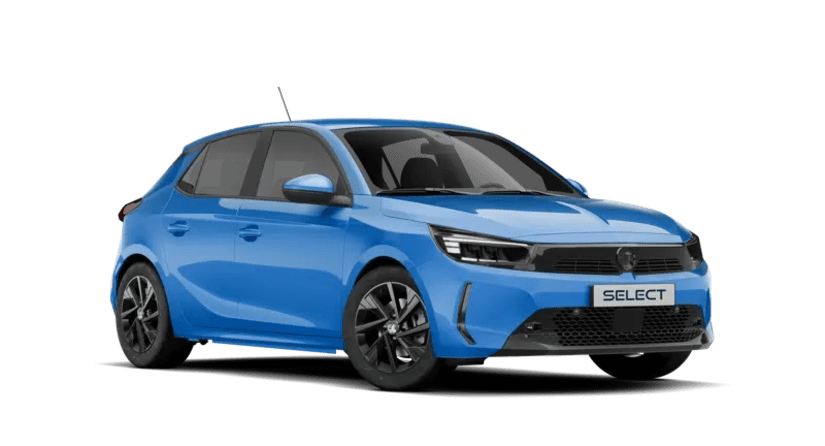
Vauxhall Corsa

The Vauxhall Corsa is a popular car with widely available parts and low repair costs, making it cheaper to insure than other models at a similar price point.  

VIEW NEW VAUXHALL CORSA LEASE DEALS

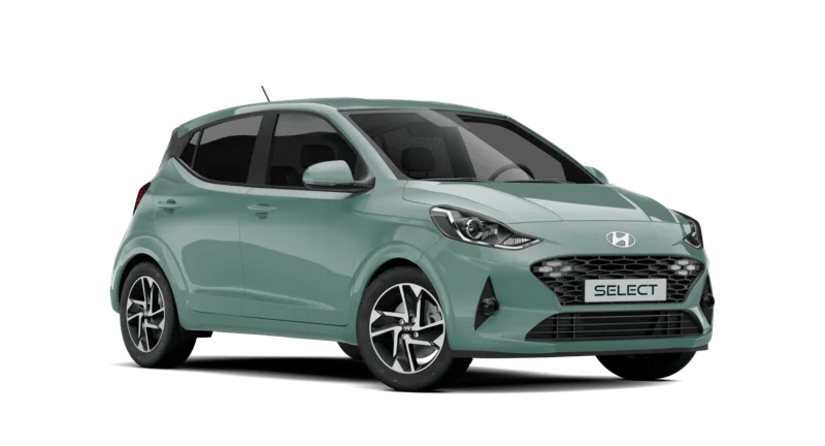
Hyundai i10

The 1-litre Hyundai i10’s smaller engine size keeps insurance premiums modest while remaining a practical city car.

VIEW NEW HYUNDAI i10 LEASE DEALS

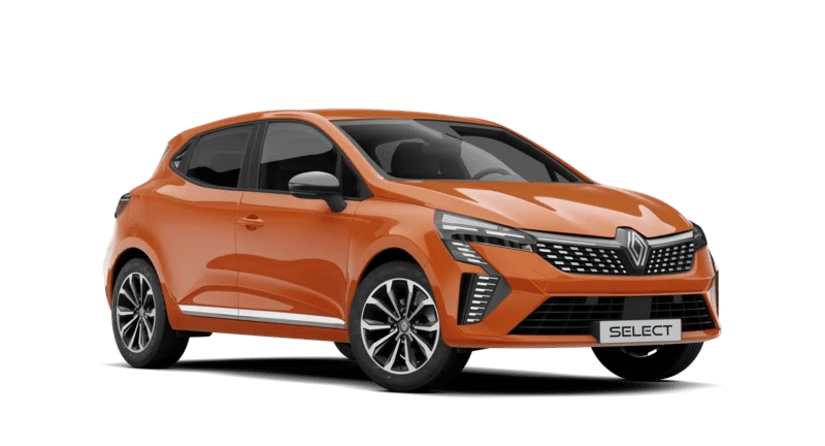
Renault Clio

The stylish Renault Clio sits in some of the lowest insurance groups possible, particularly models with a modestly-powered 1.0-litre petrol engine.

VIEW NEW RENAULT CLIO LEASE DEALS

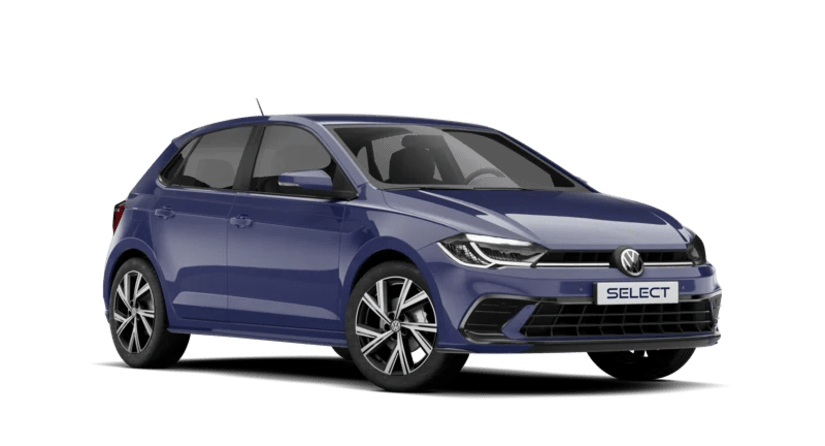
Volkswagen Polo

The long-running Polo is the smallest car in the VW range but shares much in common with its bigger brother, the Volkswagen Golf.

VIEW NEW VW POLO LEASE DEALS

Frequently Asked Questions (FAQs)

Yes, a car can change insurance groups over time. This is because a car’s grouping is based on how safe or risky it is deemed to insure by the provider.

So, if a vehicle’s value, repair costs, safety features and more, change over time, it may move into a higher or lower insurance group to reflect its current risk level.

Yes, the same model and make of car can be in different insurance groups if the price and specs are different.

For example, a regular MINI hatchback in its most affordable form will be in a lower insurance group than a sportier and more powerful Cooper S or John Cooper Works variant.

Although electric cars enjoy cheaper road tax based on their lack of emissions, they don’t necessarily have lower insurance premiums.

This is because electric cars are typically newer and more expensive to produce – meaning they’re riskier for insurers in terms of repair and replacement costs.

For example, a brand-new Fiat 500 in its smallest 1.0l engine configuration sits in a lower insurance group compared with its Fiat 500e electric counterpart.