Young Drivers: Everything You Need To Know
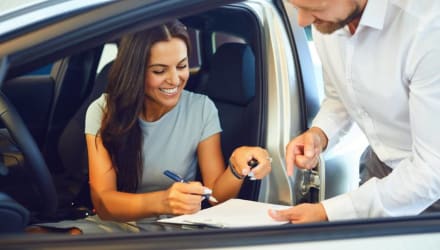
You’ve just passed your test, you can’t wait to get behind the wheel of a new car, and you’re now the go-to person for lifts from friends. But what sort of lease car will keep you smiling for months on end?
Sell your car privately with our step-by-step guide. From pricing to paperwork, we cover everything you need to know for a successful sale.
Selling your car privately can be a great way to get more money for it compared to part-exchanging or selling to a dealership.
It does, however, require a little more effort and careful planning to make sure the process is smooth and secure.
In this guide, we’ll run you through the key steps you’ll need to consider in order to successfully sell your car privately.
First impressions matter. A well-presented car is more likely to attract buyers and fetch a higher price. With a few relatively simple steps, you can make it stand out to prospective customers.
We get it: you want as much money for your car as possible. But you also have to be realistic in order to attract buyers. Get the asking price right and you can ensure a prompt sale.
Research the average market price for your vehicle by checking similar models on classified sites like AutoTrader, Ebay, RAC Cars and Gumtree. This will help you gauge the going rate.
Consider the key factors that could affect your car’s value. How old is it? How many miles has it done? What kind of condition is it in? Factor in the service history and any modifications, too – these can all affect its value and kerb-appeal to buyers.
If you want a quick sale, consider pricing your car slightly below the value of similar listings. But if you’re willing to wait, and you think there’s a realistic chance of a buyer at your preferred price, you could list it at the higher end of the range.
A good advert can make all the difference in attracting potential buyers. These are some things to consider:
Choose the right platform: Possible listing options include AutoTrader, eBay, Facebook Marketplace, Gumtree, Pistonheads, and Motors.co.uk. Some sites offer featured or premium listings that make your advert stand out. You could also try advertising your car for sale on dedicated 'owner's group' websites and online forums, as the audience will automatically have an interest in your vehicle.
Take the best pictures you can: Find a well-lit area and take multiple, clear shots all around the car. The buyer will want as much information as possible to decide whether to make an enquiry, so make sure you photograph the exterior from multiple angles, the interior and details like the wheels and any particular standout features, such as leather seats or infotainment system. Be sure to photograph any potential defects, too, as you need to be honest in your description.
Write a strong description: Be honest and detailed, and include:
Consider offline advertising: While the used car market place is now dominated by the internet, some buyers still check local newspaper classifieds, community boards, and car-for-sale posters in shop windows.
Once your ad goes live, get ready to field enquiries and respond to potential buyers. Answer any questions honestly – these may well include enquiries about service history, accident history, fuel economy, and insurance costs.
Some buyers will want to come and see the car. It’s important for both parties to feel safe in this situation. Meet in a well-lit, public place if possible, and don’t let buyers test drive alone unless you have their licence and proof of insurance – either specific test-drive insurance or comprehensive insurance that covers other cars.
Stay alert for scams. Beware of suspicious enquiries, lowball offers or requests to pay through untraceable methods. It's not unknown for unscrupulous scammers to plant fake 'faults' in your car while you're not looking during an inspection, such as pouring oil in the coolant reservoir to suggest engine failure. Stay vigilant.
Buyers will often try to negotiate, so be prepared for some offers below your asking price. Set yourself a minimum price that you’ll be willing to accept before negotiations start. Be polite, but firm – if the buyer tries to haggle too much, remind them of the car’s condition and market value.
Some buyers might not be serious, and will try to negotiate unreasonably low prices. Don’t be afraid to walk away from unrealistic offers.
If the buyer needs time to arrange funds, a small deposit can confirm their commitment and prevent time-wasting.
Once you’ve agreed on a price, there are some legal steps you’ll need to take to complete the transaction.
If your car is on finance, you must settle the remaining balance before you transfer ownership. Check with your finance provider for details on how to do this.
First, notify the Driver and Vehicle Licensing Agency (DVLA) that you’ve sold the car. You can do this online or by sending in the relevant part of the paper V5C logbook.
You should accept payments via bank transfer or cash. Avoid cheques and online payment platforms, such as PayPal, for larger transactions.
Once you’ve received the money, write a receipt for the buyer with both parties’ details, the car details, the price, and the date. Make sure you and the buyer sign it and keep a copy for yourself.
Give the buyer all the items that they need:
Keep a copy of the bill of sale and any correspondence, just in case you need them in the future. Then cancel your insurance to avoid being charged for coverage you don’t need anymore, and cancel your Vehicle Excise Duty (car tax) too. VED doesn’t transfer to the new owner, so when you inform the DVLA that you’ve sold the car, you’ll get an automatic refund for any full months remaining.
Leasing a car is a hassle-free way to drive a new vehicle without worrying about depreciation or selling it later. With fixed monthly payments and flexible contract terms, leasing could be the perfect option for your next car.
Check out our latest leasing deals.
You’ve just passed your test, you can’t wait to get behind the wheel of a new car, and you’re now the go-to person for lifts from friends. But what sort of lease car will keep you smiling for months on end?
If you're a pet owner, you'll know that finding a car that suits both you and your furry friend can be tricky. Here's our definitive guide to the best car's for animal lovers.
There are many benefits to personal car leasing, including cost effectiveness, smart use of your money, peace of mind and the hassle-free enjoyment of driving a brand-new vehicle.
Can’t fault the service. Very good all round.
jim was spot on fast seamless process love the new car
Jim was great everything sorted quickly no pressure but informative - great deal on a new cupra leon couldn’t be happier