
Lease Purchase Explained
Vehicle financing has overtaken purchasing a vehicle outright as the dominant means of owning a new car. However, with so many ways to own a car, it can be challenging to find the right scheme that suits you best.
PCP leasing — which lets you make monthly payments for a car and gives you a chance to buy it at the end of the agreement — is by far the most popular leasing type. But what about lease purchases?
This guide explains the ins and outs of lease purchases, how they work and how they compare to other forms of leasing.

UK's most trusted car leasing broker
Rated 4.9 out of 5 - 49,774 reviews

The UK's largest leasing broker
Leasing all leading makes and models

Affordable car lease deals
Industry leading competitive rates
What is a Lease Purchase and how does it work?
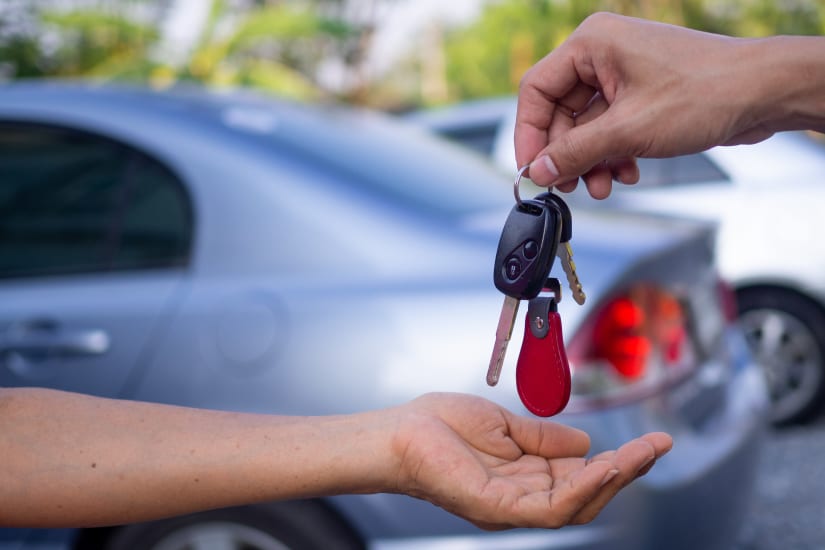
A Lease Purchase is a type of car finance agreement — like a Personal Contract Purchase (PCP) — that lets you to pay for a vehicle in monthly instalments.
But unlike PCP leasing — where you can trade in the vehicle for another one or just return it — you are required to buy the car at the end of the term.
At the end of a lease purchase, you’re contractually obliged to pay off the remaining amount (the balloon payment) to take full ownership of the car.
Unlike a PCP or hire purchase, you don’t have trade your car in or return it to the dealership. After the balloon payment is made, the car is yours to enjoy or sell.

- Deposit
-
You pay an upfront deposit, usually a minimum of 20% of the car’s value.
- Monthly Payments
-
You make fixed monthly payments over an agreed period (typically between 2-4 years). These payments are typically lower than a standard hire purchase because a large portion of the car’s cost is deferred to the end.
- Balloon Payment
-
At the end of the contract, you must make a final lump sum payment (known as the balloon payment) to take full ownership of the car.
- A typical lease purchase may look like this:
-
- Vehicle Purchase Price: £35,000
- 10% Deposit: £3,500
- Monthly Payments: £450.75 (£22,000 over 48 months)
- Balloon Payment: £9,500
1
2
3
e.g.
Who is eligible for a Lease Purchase?
Like taking out a credit card or taking out a phone contract, there are certain criteria that you need to meet to qualify for a lease purchase on a vehicle.
To qualify for a lease purchase, the non-negotiables are:
- Proof of address
- Proof of monthly income from all sources
- Banking details — to make the payments
- Employment details from the past three years
Even with all of these in place, you still not might not qualify.
How much money you have in savings, your credit rating and your income all influence whether a bank or car leasing company decide to qualify you for a lease purchase.
Some of the things you can do to boost your credit score and boost your chances include:
- Register to vote – Being on the electoral roll can improve your credit score.
- Check joint accounts – If you share an account, your partner, friend, or family member’s credit history could be affecting your score.
- Verify your personal details – Ensure your information is accurate, as errors can negatively impact your score.
- Stay alert for fraud – Regularly monitor your accounts to prevent identity theft, as fraudulent credit applications in your name can harm your score.
Pros and Cons of Lease Purchases
Figuring out if a lease purchase is the right method of car ownership for you — especially with the range of buying and leasing options available — can be a challenge.
Having the right information to hand can make the decision a lot easier.
Pros of lease purchases
- Lower Monthly Payments – Since a large portion of the car’s value is covered in the final balloon payment, monthly payments are typically lower than standard hire purchases or PCP options.
- No Mileage Restrictions – Unlike leasing or PCP, you won’t be penalised for high mileage or not attending scheduled services — making it ideal for frequent drivers.
- Guaranteed Ownership – At the end of the term, you own the car once the balloon payment is made — there’s no need to return it or worry about end-of-lease charges.
- More Affordable Access to High-End Vehicles – Lower monthly payments can make paying for a higher-end car more manageable than a traditional HP or outright purchase.
- Business Benefits – Some businesses use lease purchases for accounting advantages, as they may be able to claim tax relief.
Cons of lease purchases
- Large Final Balloon Payment – Unlike PCP, where you can return the car, you must pay the final lump sum to keep the vehicle, which can be expensive.
- Less Flexibility – Unlike PCP, you can’t just hand the car back if you no longer want it; you must pay off the full amount.
- Risk of Negative Equity – If the car’s value depreciates faster than expected, you could end up owing more than the car is worth.
- Difficult to Exit Early – If you need to end the agreement before the term is up, you may have to settle the outstanding finance, including the balloon payment.
- Interest Costs – The total interest paid over the term can be higher than other finance options, particularly if the balloon payment is large.
Why Choose Select Car Leasing for Your Next Vehicle?
Need help choosing the right hybrid car for you? Select Car Leasing are always on hand to get you the best environmentally-friendly vehicle at the right price.
When you choose us, you’ll benefit from:
- Flexible leasing options to suit your needs
- Dedicated support from an account manager and administrator throughout your leasing journey
- Unbeatable discounts that lead the market
- A wide selection of in-stock special offers with fast delivery
Contact us today — our friendly team is ready to help you lease the vehicle that’s just right for you.
Car leasing special offers


 Android Auto
 Lane Assist
 Lane Departure Warning System


 Heated Seats
 Heated Steering Wheel

 Reversing Camera
 17" Alloy Wheels

 19" Alloy Wheels
FAQ's
Whether or not lease purchases are the best option for you depends on your circumstances.
If you drive lots of miles, can lease purchase a car through employer/own company or have the money to cover a balloon payment — but want the convenience of lower monthly repayments in the short term — lease purchases may suit you best.
Because lease purchases lock people in to buying the car at the end, it’s not well-suited to people who want the luxury of returning the car or trading it in at the end of the contract.
There are many reasons why it might be more financially beneficial to lease or buy — ultimately, it’s down to personal preferences and circumstances.
Leasing a car, compared to buying one outright, is typically a more expensive way to own a car because of the additional charges that come with the convenience of monthly payments.
However, when you factor in the high-upfront cost and depreciation value, leasing schemes offer more manageable and cheaper payments over a shorter period. With PCP schemes, you can often return the car or trade it in before depreciation really takes hold.
Some people prefer having a car for a short period and paying a monthly premium for the privileged, whereas others prefer owning their car fully with out any contractual obligations attached.
No, a personal contract purchase (PCP) is not quite the same as a lease. Although similar, a PCP is where you make monthly payments over a set period — usually around 2-4 years. At the end, you have the option to either:
- Pay a "balloon" payment (a large final payment) to own the car outright — like a lease purchase.
- Return the car and walk away – provided it’s in good condition and within the mileage limit.
- Use any equity toward a new PCP deal — if the car's value is higher than the balloon payment.